Cutleaf Vipergrass
Scorzonera laciniata
Plants that occur in Utah at very low levels. It is a high priority to eradicate all known populations, and prevent new ones.
Cost share may be available. This is one of our high priority weeds. See if you qualify for assistance.
Background
Native to Eurasia and Africa, cutleaf vipergrass is found in disturbed sites, in open or fallow fields, and on roadsides. It is reportedly edible, and sometimes grown as a crop. The plant is known to serve as a food source for clover cutworms (Anarta trifolii), which also feed on and damage a wide variety of food crops.
Description
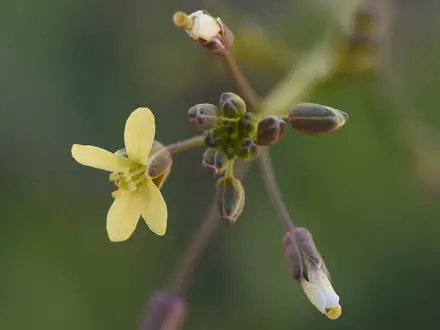
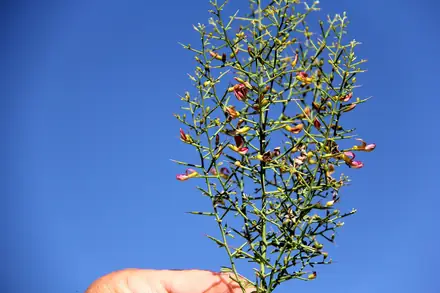
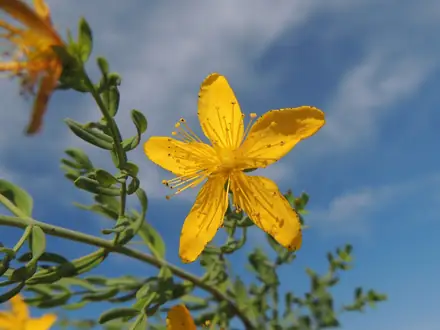
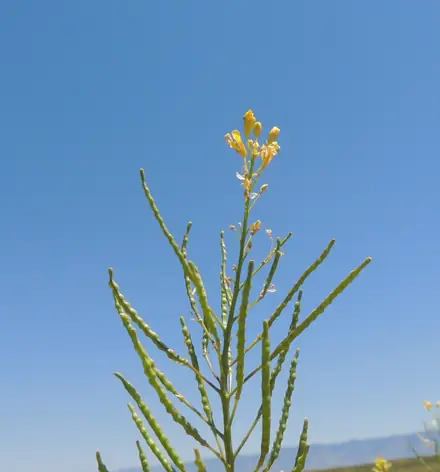
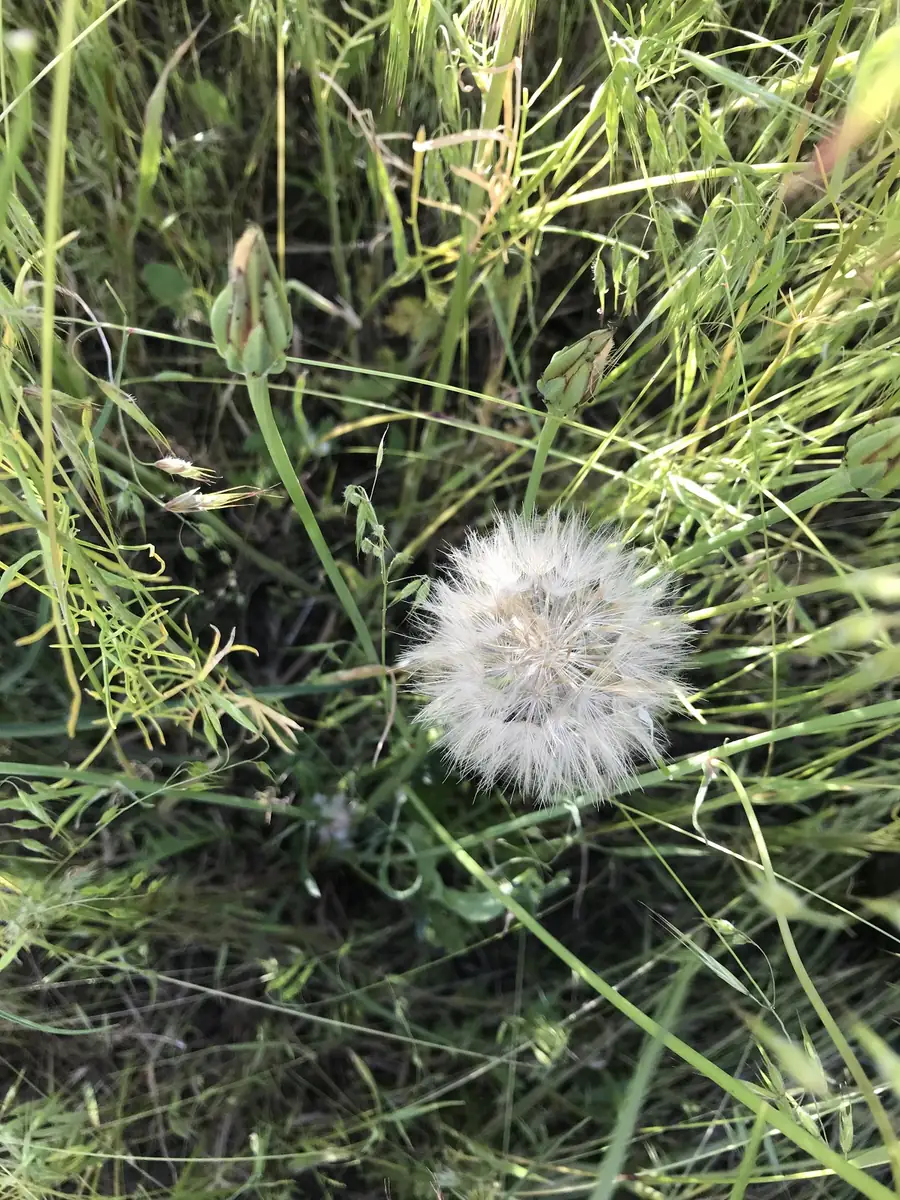
An herbaceous, taprooted biennial or short-lived perennial, with hollow, branching stems, that grows about 1 1/2 feet tall. Rosette leaves are 2-8 inches long. Leaves can sometimes appear grass-like, due to deep dissections into narrow lobes. Each stem has one bright yellow composite ray flower head at the top, open a few hours daily. The plant flowers throughout the summer, and produces seed heads 1 to 2 inches in diameter, made up of many parachute-like seed pods.
Control
Do not grow this plant.