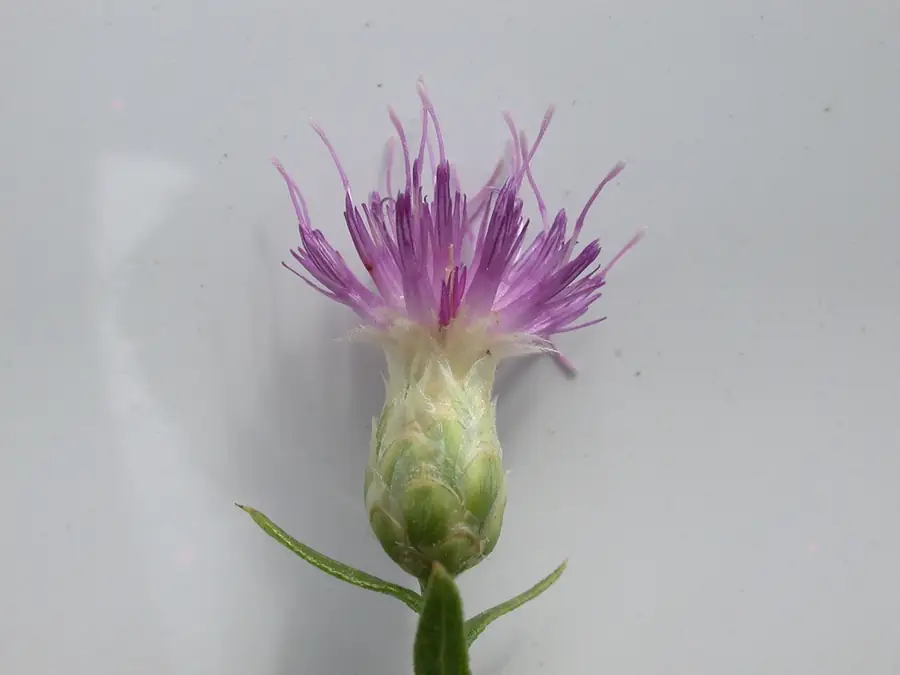
Russian Knapweed
Acroptilon repens
Also known as Hard heads
Plants widely distributed in Utah. The current populations of these plants should be contained to halt their spread. These plants should not enter commercial channels.
Background
Russian knapweed is native to Eurasia. It infests rangelands, field edges, pasture, roadsides, and other disturbed soils. Knapweeds release chemical substances into the soil that inhibit the growth of competing vegetation. It can cause “chewing disease” in horses that consume it.
Description
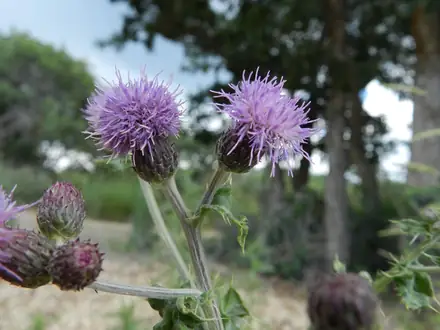
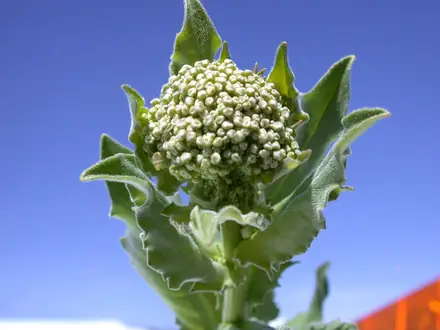
A creeping herbaceous perennial, Russian knapweed grows 2 to 3 feet tall. Roots are black and may go 8 feet deep or more. Basal leaves are lobed and are 2 to 4 inches in length. Flowers are pinkish to purple, and flower bracts have membranous cream-colored tips. Bloom is early summer through late summer.
Control
Biocontrol is available, but limited. Select herbicides can offer good to excellent control when applied between pre-bloom to the killing frost.